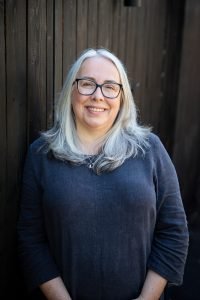

Written by Rachael Riches, homeopath trained at the Centre for Homeopathic Education, practising for nearly twenty years. Based in South London and working globally via online clinic. Registered with the Alliance of Registered Homeopaths.
October is Menopause Awareness Month, and I can’t help wondering why something that unfolds over years gets just 1 month of attention. Menopause isn’t a month, it’s a transition that lasts years, with changes experienced in the body, the mind and the emotions, and looks different in every woman. Here’s what I see in clinic and how homeopathy can support you through it.
Menopause and perimenopause are a stage of life, not a month
Technically, menopause is a single day, the one that marks a year since your last period, and it usually happens between 45 and 55. The transition around it is much bigger. Perimenopause, where peri simply means around, is the stage leading up to menopause, and the years after, post menopause, matter too. The NHS notes that “symptoms” usually last seven to nine years, sometimes longer, and that they can, and do, change over that time.
The name describes a chapter of life, and what each woman experiences within it varies a great deal. Some feel it hard, some barely notice, and many experience physical and emotional waves, or at times it can feel like a roller-coaster you didn’t realise you’d decided to ride.
The physical changes homeopathy for menopause can support
Hot flushes get the most attention, but they’re rarely the whole story, and often not experienced at all. Women often tell me about:
- Hot flushes/flashes and night sweats
- Broken sleep and waking in the early hours
- Aching joints and stiffness
- Headaches
- Palpitations
- Changes to skin and hair
- Digestive changes
- Allergies appearing for the first time in midlife
Some of these are worth mentioning to your GP first, particularly palpitations and heavier or unusually irregular bleeding.
Take hot flushes. Lachesis and Sanguinaria are two remedies homeopaths often consider, but there are many, and the right one depends on the individual details of the flush and how you experience it: when it comes, where you feel it and what makes it better or worse.
The emotional side of perimenopause and menopause
Anxiety, irritability, tearfulness, overwhelm, low confidence, depression and a sense of not feeling like yourself are just as much a part of this transition. They’re often the changes women mention last, or not at all, because they seem unrelated to hormones.
The physical and emotional sides are woven together. Broken sleep shortens patience, and a racing mind makes the night harder. Homeopathy doesn’t separate them, which is why I find it such a good fit for this stage of life.
How homeopathy for menopause works in a consultation
I don’t match a remedy to a symptom. I listen to the whole picture: how you sleep, what your energy does across the day, how your moods behave, your history, what makes you feel better or worse, and what life looks like around you. Two women with the same hot flushes can need quite different remedies, and the remedy is chosen for her.
Homeopathy always leads in my work. I also bring in other tools when they suit the person in front of me, such as flower essences for emotional states, EFT for stress and overwhelm, and homeobotanical blends alongside the remedy where they fit. I also pay attention to how our thinking in the moment shapes what we experience, which quietly influences how I listen. Everyone’s pace is different. Some things ease quickly and others take longer, and that’s normal. You can see how this unfolded for one woman in perimenopause in this case study.
Why lifestyle matters alongside homeopathy for menopause
No remedy can do all the work if daily life is working against your health. The simple things matter more than we like to admit: morning daylight, regular meals, less alcohol, protecting your sleep and taking time to rest. We tend to overlook them because they’re such simple fixes and we hear about them so often, but they really are important, and everything else works better when they’re in place.
Then there are boundaries. Midlife often brings a new clarity about what you can and can’t carry, and with it the challenge of saying no when you really want to, without the guilt. It can feel like learning a foreign language, and it can be supported. I wrote more about it in Boundaries Aren’t Walls. They’re Your New Midlife Superpower.
And don’t forget joy. What lights you up? What makes you smile? Do more of it! Looking after yourself through this stage isn’t a luxury, it’s a necessity.
When to speak to seek medical help
This article is general education rather than a personal diagnosis. Speak to your GP/Doctor if you have palpitations, heavier or unusually irregular bleeding, or any vaginal bleeding after twelve months without a period. Homeopathy can sit alongside medical care, and you don’t need to choose between them.
If you’d like support through perimenopause or menopause, book a consultation and we’ll look at what’s going on for you, specifically.